The boundaries between scientific computing and artificial intelligence are increasingly blurring, a trend exemplified by a powerful new supercomputer set to be installed at the Department of Energy’s laboratory near the University of California, Berkeley.
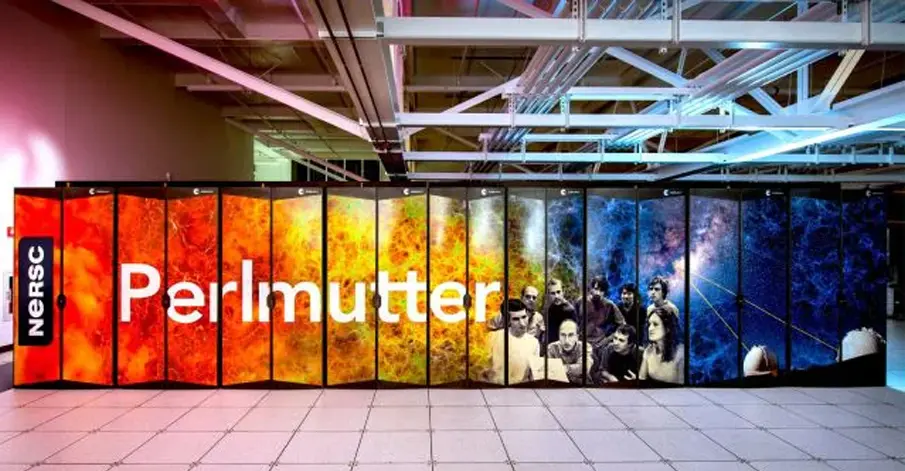
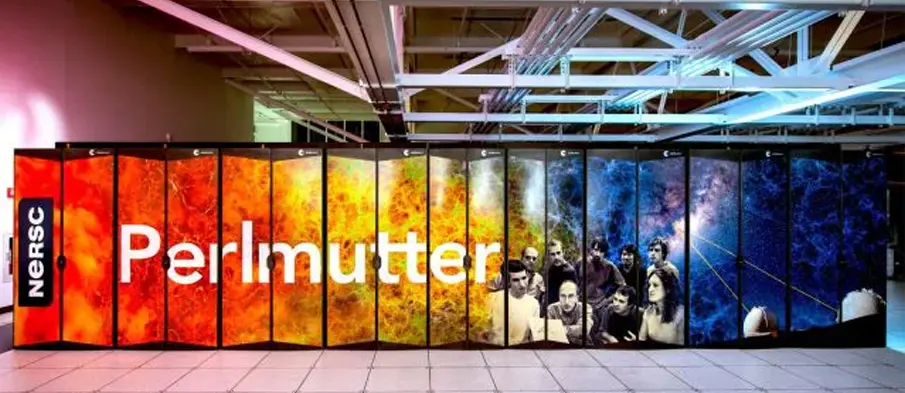
On Thursday, Lawrence Berkeley National Laboratory announced that Dell Technologies has been chosen to build its next flagship supercomputer, scheduled for deployment in 2026. This cutting-edge system will feature Nvidia processors optimized for both AI workloads and the complex simulations central to energy research and other scientific disciplines.
Named in honor of Jennifer Doudna, the Berkeley biochemist awarded the Nobel Prize in Chemistry in 2020, the new supercomputer is expected to deliver performance exceeding the lab’s current top system by more than ten times. Once fully equipped, it could become the Department of Energy’s most powerful platform for tasks such as AI model training, according to Jonathan Carter, associate laboratory director for computing sciences at Berkeley.
The choice of technology highlights the growing trend among government research centers to embrace innovations developed within the commercial AI sector. While Nvidia chips are widely adopted by major cloud providers and have appeared in supercomputing setups before, previous Department of Energy machines—built by Hewlett Packard Enterprise—did not include them. Meanwhile, Dell, although a lesser-known name in elite supercomputing circles, has found success in large-scale AI installations in the commercial domain.
Addison Snell, CEO of Intersect360 Research, which monitors the supercomputing industry, noted, “Hewlett Packard Enterprise has dominated the Department of Energy market for some time. This marks a significant breakthrough for Dell.”
At an event unveiling the project in Berkeley, U.S. Secretary of Energy Chris Wright—who has likened AI’s rise to the transformative impact of the Manhattan Project—described the Doudna supercomputer as a crucial asset in maintaining leadership in the global AI race.
This announcement underscores the ongoing convergence of AI and scientific computing, signaling a new era of high-performance systems designed to accelerate research and innovation.