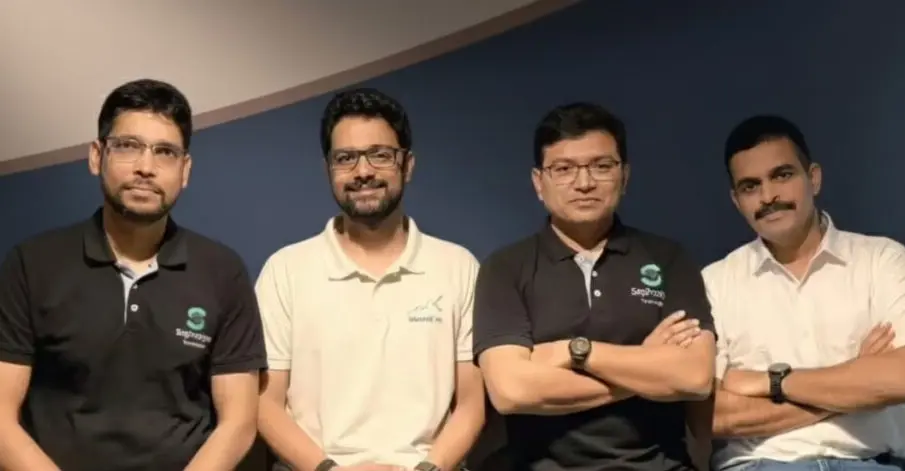
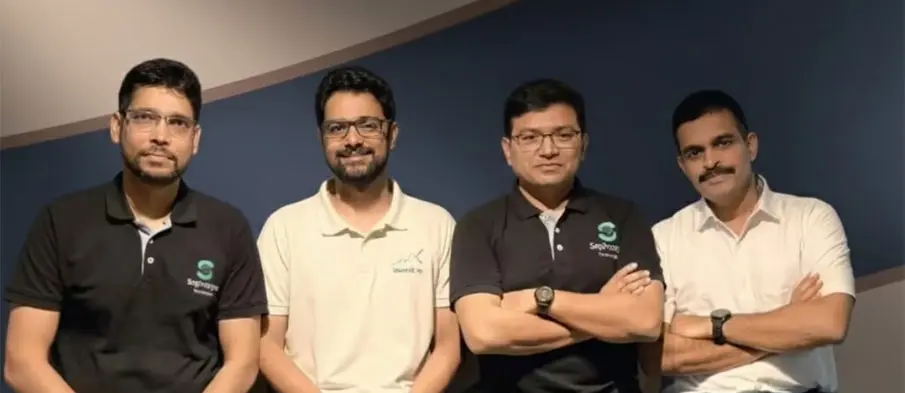
Bengaluru-founded semiconductor startup Sophrosyne Technologies is expanding its research and development operations to Udupi as it transitions from prototype silicon to production-grade biosensing chips for next-generation health wearables. The move marks a significant milestone in the company’s growth journey and reflects a broader shift in India’s deeptech and semiconductor ecosystem beyond traditional metropolitan centres. Backed by $2 million in seed funding along with a $1.2 million grant, Sophrosyne’s expansion underlines growing investor confidence in specialised chip design and biosensing innovation emerging from India.
As part of this expansion, nearly 60 per cent of the company’s workforce will now be based in Udupi. The new R&D centre will support high-value roles across chip architecture and design, embedded firmware, and end-to-end product engineering. By decentralising its operations, Sophrosyne aims to tap into regional talent pools while building a more distributed and resilient innovation footprint. The company’s focus on biosensing chips positions it at the intersection of semiconductors and digital health, a segment seeing strong global demand driven by wearables, preventive healthcare, and continuous health monitoring technologies.
The move aligns closely with Karnataka’s Beyond Bengaluru policy, which encourages technology companies to expand into tier-2 and tier-3 cities and build innovation hubs outside the state capital. Udupi’s inclusion in Sophrosyne’s growth plans strengthens the broader Mangaluru–Udupi corridor, which is steadily emerging as a technology and deeptech cluster. With improving infrastructure, academic institutions, and policy support, the region is increasingly being viewed as a viable alternative for advanced R&D operations.
Sophrosyne’s expansion also reinforces Karnataka’s leadership in India’s electronics system design and manufacturing (ESDM) and chip design ecosystem. The state has been positioning itself as a key node in the country’s semiconductor ambitions, supported by a combination of policy incentives, talent availability, and startup-friendly ecosystems. By moving critical R&D functions closer to emerging tech hubs, the company is contributing to a more geographically balanced innovation landscape.
Overall, Sophrosyne Technologies’ decision to scale its R&D presence in Udupi highlights a maturing phase in India’s deeptech journey—one where advanced semiconductor innovation is no longer confined to major metros, but increasingly rooted in diverse regional ecosystems that can support long-term, high-impact growth.