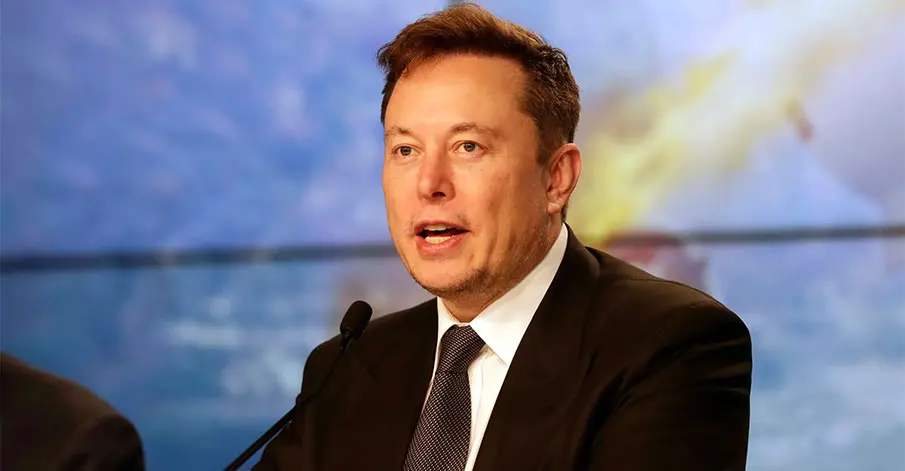
Elon Musk has lost a high-profile legal battle against OpenAI after a U.S. jury ruled against his claims, marking a major victory for the artificial intelligence company and its CEO Sam Altman. The jury in Oakland, California, delivered a unanimous verdict, bringing an end to a closely watched dispute over OpenAI’s shift from a nonprofit research lab to a for-profit AI powerhouse.
Musk, who co-founded OpenAI in 2015 before later parting ways with the organization, had accused the company and its leadership of abandoning its original mission to develop artificial intelligence for the benefit of humanity. He alleged that OpenAI’s transition into a commercially driven entity violated foundational agreements and unfairly enriched its executives and partners, including Microsoft.
However, the jury did not evaluate the core ethical claims in Musk’s case. Instead, the verdict was decided on procedural grounds, with the court finding that Musk had filed the lawsuit too late under the statute of limitations. The jurors concluded that the case was time-barred, effectively dismissing all claims without ruling on whether OpenAI had breached its original mission.
The trial had attracted significant attention across the global tech industry, with discussions centered on the governance of AI companies and the balance between innovation and public interest. Musk had sought damages worth approximately $150 billion, along with structural changes to OpenAI, including reversing its for-profit transformation and removing key executives.
OpenAI, on the other hand, argued that Musk was aware of its evolving business direction for years and only initiated legal action after the company’s rapid rise in valuation and influence. The company maintained that its restructuring was necessary to scale advanced AI systems and compete in an increasingly capital-intensive industry.
Following the verdict, legal observers noted that the decision removes a major legal hurdle for OpenAI as it moves toward a potential initial public offering. The ruling also reinforces the company’s current corporate structure and strengthens its position in the global AI race, while Musk has indicated plans to appeal the decision.