


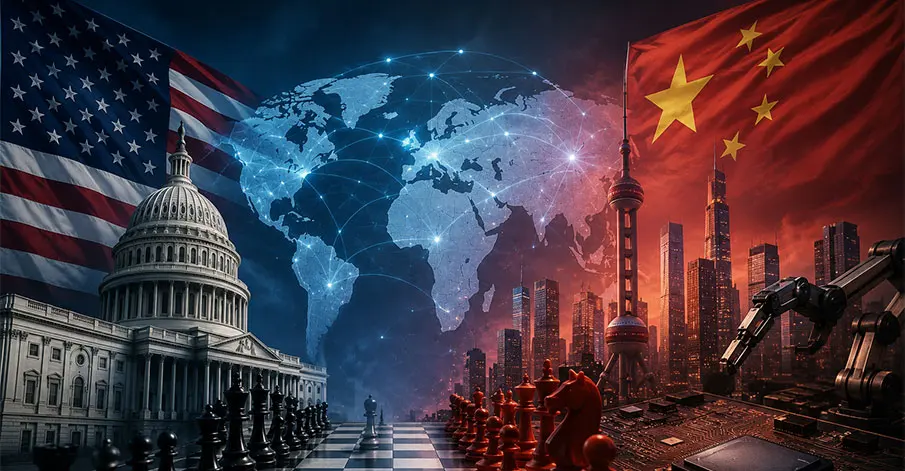
A bipartisan group of U.S. lawmakers has introduced new legislation aimed at reducing the global influence of Chinese artificial intelligence and technology companies by making American technologies more accessible to allied nations. The proposed bill reflects Washington’s growing concern over China’s rapidly expanding role in global AI infrastructure, telecommunications, cloud computing, and digital systems.
The legislation has been sponsored by Democratic Senator Jeanne Shaheen and Republican Senator Pete Ricketts, highlighting rare bipartisan agreement on the issue of technological competition with China. Under the proposal, the U.S. State Department would establish a dedicated office focused on helping foreign governments and strategic partners acquire American AI systems, semiconductors, cloud services, cybersecurity tools, and telecommunications technologies.
As part of the initiative, lawmakers have proposed creating a fund worth approximately $500 million to subsidize and streamline access to U.S. technology for partner countries. The goal is to offer nations a viable alternative to Chinese technology platforms, particularly in developing regions where Beijing has aggressively expanded its digital and infrastructure presence through the Belt and Road Initiative.
The bill is also closely linked to the broader “Pax Silica” strategy backed by the Trump administration, which focuses on strengthening U.S.-led technology alliances and securing global AI supply chains. Policymakers argue that reducing international dependence on Chinese technology is critical for national security, data protection, and maintaining America’s leadership in artificial intelligence and advanced computing.
The proposal comes amid intensifying technological rivalry between the United States and China. In recent months, Washington has tightened export controls on advanced AI chips, increased scrutiny of Chinese technology firms, and raised concerns over alleged intellectual property theft and cybersecurity risks linked to Chinese AI companies. At the same time, China has accelerated efforts to build domestic alternatives to American chips and AI infrastructure.
Industry experts believe the legislation signals a shift in U.S. strategy from simply restricting Chinese technology access to actively promoting American AI ecosystems globally. Rather than relying solely on sanctions and export bans, the proposed approach seeks to strengthen U.S. influence by financing technology adoption among allies and emerging economies. Analysts say this could reshape global AI partnerships and further deepen the technological divide between the world’s two largest economies.