

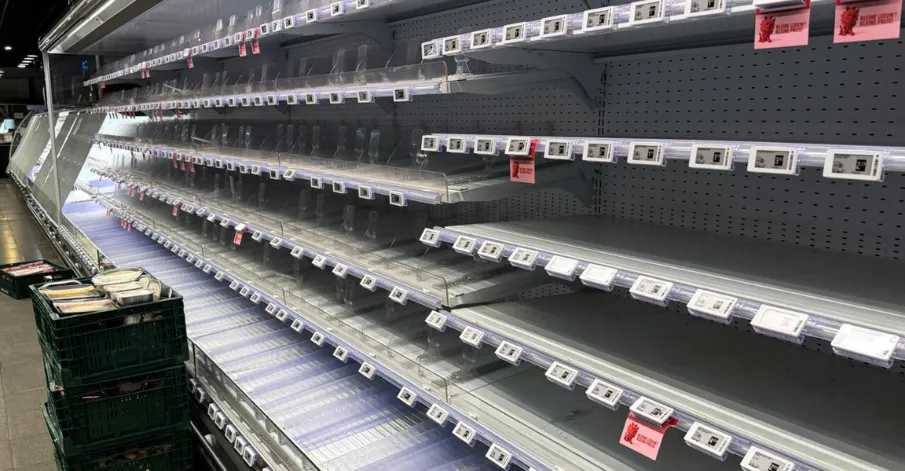
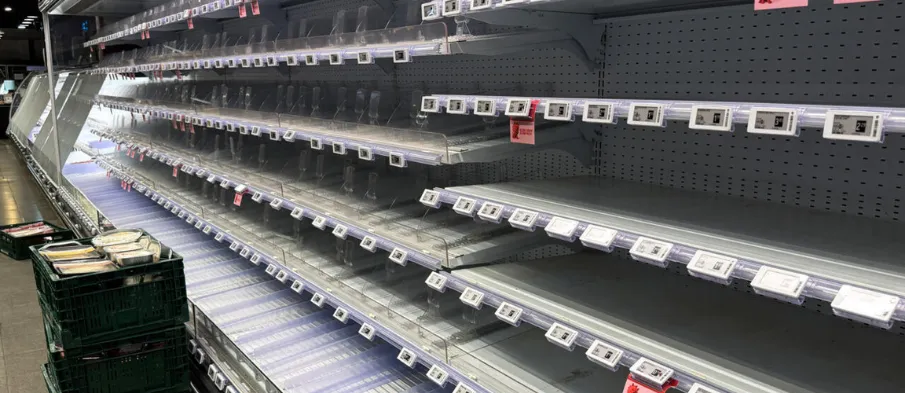
Dozens of supermarkets across seven European countries have been hit by suspected cyberattacks targeting their refrigeration systems, disrupting the storage of chilled and frozen food and forcing retailers to remove affected products from sale.
The incidents were reported on November 2, 2026, across Belgium, Sweden, Luxembourg, Ireland, the Netherlands, Estonia and Finland. Several supermarket chains reported that their refrigerators and freezers had been accessed remotely, with temperatures rising significantly and causing food to spoil.
Around 40 Delhaize supermarkets in Belgium and Luxembourg were affected. Carrefour reported problems at 15 stores in Belgium, while other affected retailers included ICA and Coop in Sweden. Ireland’s SuperValu also reported refrigeration problems at 13 of its stores.
In Sweden, several ICA outlets experienced disruptions after their refrigeration systems were reportedly accessed overnight. One ICA store in Sjöbo said its refrigerators and freezers had been hacked and their temperatures raised to 50 degrees Celsius. The store had to remove spoiled products before reopening to customers.
Seven Coop stores in Sweden were also affected, although the company said the situation was contained and under control. In Ireland, SuperValu removed chilled and frozen products from affected stores as a precaution.
According to Belgian refrigeration equipment manufacturer Sabcobel, the affected units had their evaporators switched into defrost mode, causing temperatures to rise. The company’s chief executive, Stephan Moelans, told Belgian media that technicians had been working to disconnect affected refrigeration units from the network.
The latest incidents follow a similar cyberattack reported in France in October, when refrigeration systems at hundreds of supermarkets and independent stores were reportedly manipulated. That incident caused significant food losses after attackers remotely changed freezer settings.
The method used in the latest incidents is believed to be similar to the earlier attack. Many supermarkets rely on internet-connected refrigeration systems that allow equipment manufacturers and maintenance teams to monitor and manage temperatures remotely. However, these connections can also create security risks if systems are exposed or contain unaddressed vulnerabilities.
The identity of those responsible for the latest attacks remains unknown. No group has publicly claimed responsibility, and it has not been established whether the incidents across the different countries are connected.
The disruptions have drawn attention to the cybersecurity risks facing retail infrastructure. While attacks on digital systems are often associated with data theft and financial fraud, these incidents demonstrate how access to connected operational equipment can directly affect physical business operations, food safety and supply chains.
Retailers and equipment providers are working to restore affected systems and strengthen protections against further incidents.