


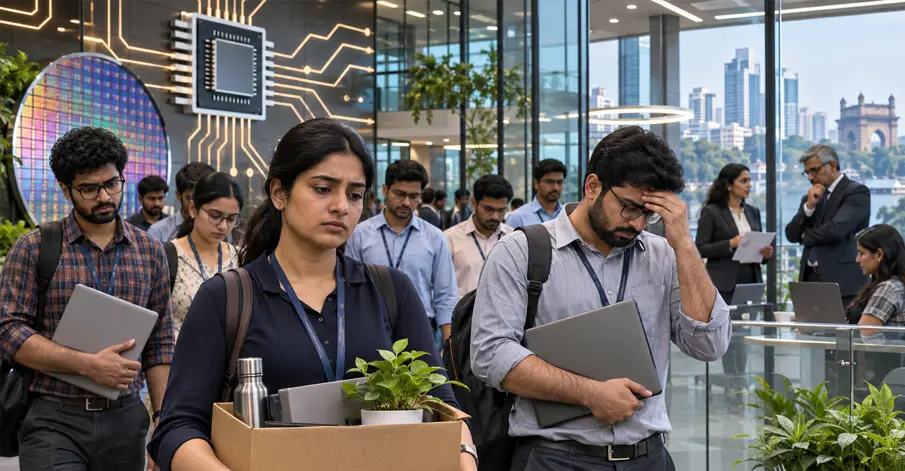

Qualcomm is reportedly undertaking a significant workforce restructuring in India, with approximately 1,500 employees from its estimated 18,000-member Indian workforce expected to be impacted.
The reported layoffs come at a time when India continues to play an increasingly important role in Qualcomm’s global semiconductor engineering and technology operations. The move also aligns with the company’s broader focus on improving operational efficiency, streamlining organisational structures and strengthening business performance under CEO Cristiano Amon.
According to reports, affected employees are being offered a severance package that includes two months of notice pay, an additional month’s salary for every year of service, continued insurance coverage and outplacement assistance.
The reported inclusion of experienced professionals and senior engineering personnel has raised concerns about the broader scope of the restructuring. Rather than being limited to individual performance-related decisions, the exercise may indicate a wider organisational realignment and cost-optimisation strategy.
Sources indicate that the selection process could involve multiple considerations, including individual performance evaluations, team-level assessments and strategic decisions by senior management, including leadership based in the United States. Potential reductions have also been flagged across specialised engineering functions, particularly Radio Frequency (RF), Bluetooth, Wi-Fi and Global Navigation Satellite System (GNSS) teams.
The development comes amid continuing uncertainty in the global smartphone industry, which remains a major revenue driver for Qualcomm. At the same time, the semiconductor major is expanding its strategic focus beyond mobile chipsets into emerging growth areas such as artificial intelligence, automotive technologies, connected devices and data-centre semiconductors.
The reported restructuring highlights the evolving priorities of global semiconductor companies as they reassess workforce requirements, engineering investments and operational costs. For India’s technology talent ecosystem, the development also raises questions about how global shifts in semiconductor demand and business strategy could influence specialised engineering employment and future investment priorities.