


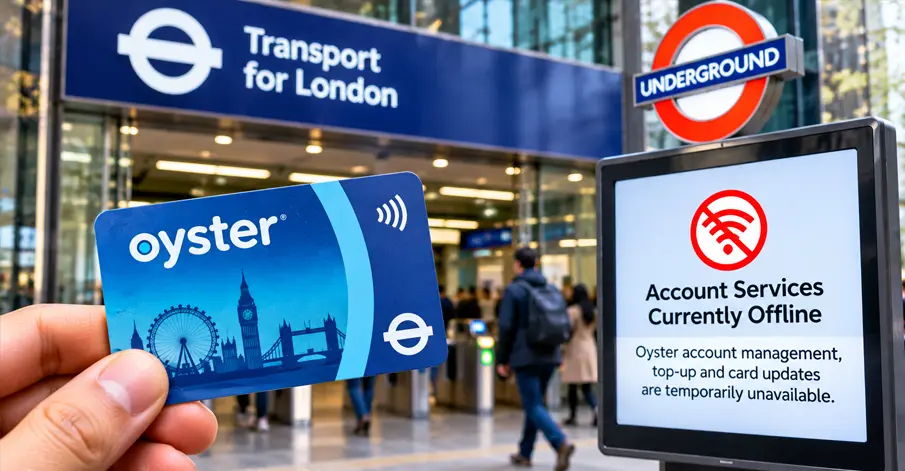
Transport for London has taken its Oyster photocard website offline after identifying suspicious activity that may have compromised account details belonging to approximately 265,000 customers.
TfL said it became aware of the incident on 16 November after photocard customers received emails asking them to create accounts even though they already had them. The transport authority took the website offline while it investigated and said the incident had since been contained.
The authority’s current assessment is that passwords, bank and payment card details, and customer journey information were not compromised. TfL also said the names and dates of birth of children with Zip Oyster cards were not compromised.
However, TfL notified some affected customers that personal information in their web accounts had been accessed without authorization. The information identified in those notifications included names, email addresses, phone numbers, home addresses, dates of birth and security questions and answers.
The figure of approximately 265,000 represents customers whose account details may have been compromised. It should not be treated as a confirmed count of people whose complete records were accessed.
Accounts potentially affected include several categories of Oyster photocard, including Zip cards for young people, 18+ Student cards, care-leaver cards, 60+ London cards, Apprentice cards and Veterans cards.
TfL said customers could continue travelling with their existing photocards. They could also top up cards at ticket machines at London Underground and National Rail stations, although online photocard accounts were unavailable while the website remained offline.
Customers needing to renew a photocard or ask about journey history could contact TfL customer services. The authority said it hoped to restore the affected website services as quickly as possible but did not give a confirmed restoration date.
Shashi Verma, TfL’s director of technology strategy and revenue, said the organization had contacted affected customers and continued to investigate what happened. TfL also notified the UK Information Commissioner’s Office of the incident.
The authority had not publicly identified an attacker or explained the technical route used to access the accounts. Its assessment of the affected data categories may change as the investigation progresses.