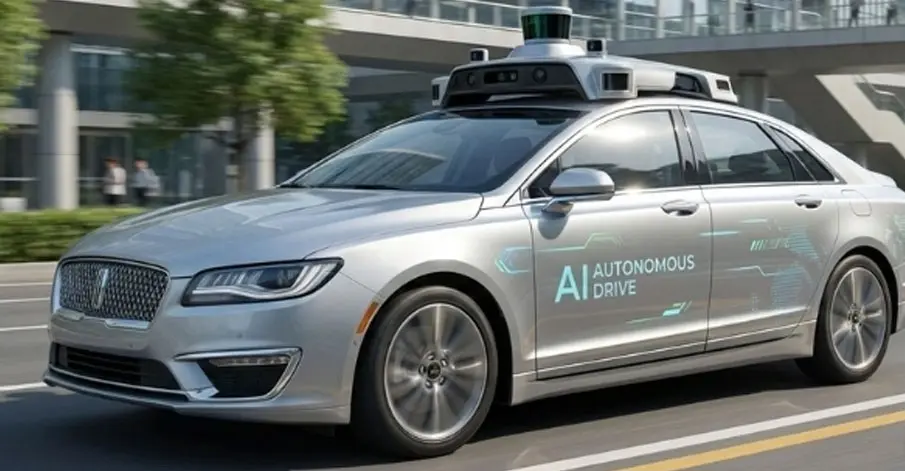
Ford Motor Company is quietly reworking its software and autonomy strategy, outlining plans to introduce an AI-powered digital assistant and a more capable, lower-cost version of its BlueCruise driver assistance system. The updates were shared during a smaller “Great Minds” session at CES 2026 and later reported by TechCrunch, signaling Ford’s intent to compete more aggressively in vehicle software, AI-driven experiences, and advanced driver assistance without making splashy headline announcements.
The AI-powered digital assistant is scheduled to debut in early 2026 within Ford’s smartphone app, before being integrated directly into vehicles by 2027. Built using off-the-shelf large language models and hosted on Google Cloud, the assistant is designed to move beyond basic voice commands. By tapping into vehicle-specific data, it will be able to respond to general queries as well as deliver real-time, contextual information such as oil life, vehicle health, load capacity, and current vehicle status. This approach positions the assistant as a practical ownership companion rather than a generic conversational feature.
Alongside the AI assistant, Ford also previewed a next-generation version of its BlueCruise hands-free driver assistance system. According to the company, the updated BlueCruise platform will be approximately 30 percent cheaper to manufacture while offering improved functionality. This cost reduction is a critical step as Ford looks to scale advanced driver assistance features across more affordable vehicles.
The new BlueCruise system is expected to make its debut in 2027 on Ford’s first electric vehicle built on the company’s low-cost Universal Electric Vehicle platform, widely expected to be a mid-sized pickup truck. By pairing lower hardware costs with enhanced software capabilities, Ford aims to make advanced driver assistance more accessible to a broader customer base.
Looking further ahead, Ford outlined longer-term ambitions that include eyes-off driving by 2028 and eventual point-to-point autonomy. These goals suggest a steady push to narrow the gap with rivals such as Tesla and Rivian in automated driving capabilities. However, Ford emphasized that BlueCruise will continue to require drivers to remain attentive and ready to take control, reflecting a cautious, incremental approach to autonomy.
Taken together, the AI assistant and BlueCruise upgrades underscore Ford’s strategy to build smarter, software-defined vehicles while balancing cost, safety, and real-world usability in the transition toward more autonomous driving.