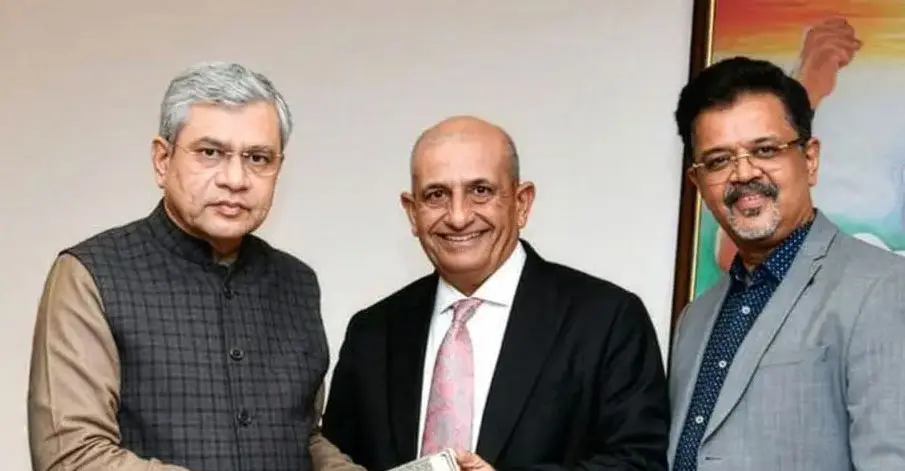
Union Minister for Electronics and Information Technology Ashwini Vaishnaw has held discussions with senior officials from NVIDIA as India steps up efforts to build a sovereign graphics processing unit (GPU) ecosystem and expand domestic manufacturing of high-end data processing hardware. The meeting focused on strengthening India’s AI infrastructure at a time when NVIDIA commands more than 80 per cent of the global GPU market and its chips remain central to artificial intelligence development worldwide.
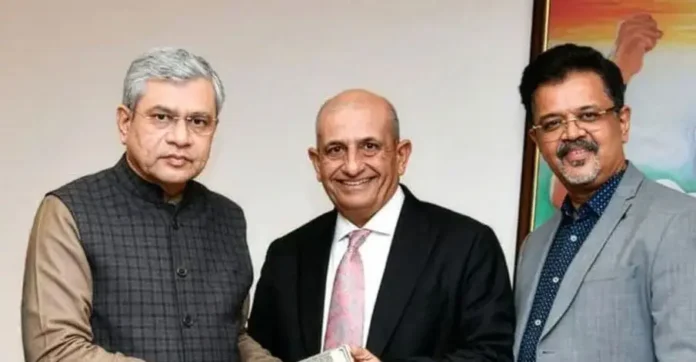
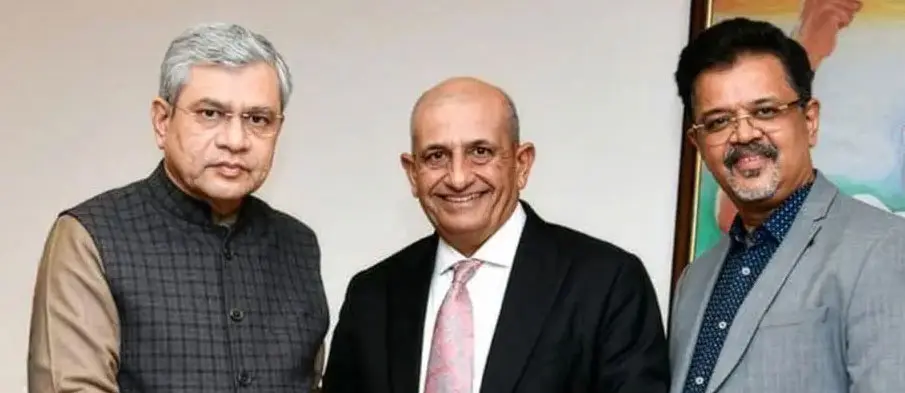
Sharing details of the interaction on X, Vaishnaw highlighted the focus on both indigenous capability building and local manufacturing. He said, “Met NVIDIA team and discussed development of sovereign GPUs and manufacturing of edge devices like DGX Spark in Bharat. This device delivers up to 1 petaFLOP performance with secure inferencing for models up to 200 billion parameters. This compact GPU doesn’t require the Internet. Suitable for railways, shipping, healthcare, education and remote applications.” The minister also posted a photograph from the meeting alongside Vishal Dhupar, NVIDIA’s Managing Director for South Asia, underscoring the strategic nature of the engagement.
The discussions come soon after NVIDIA unveiled its latest deskside AI supercomputers—DGX Spark and DGX Station—at CES, positioning these systems as compact yet powerful platforms for enterprise and edge AI workloads. India’s interest in such technologies aligns with its broader goal of reducing dependence on imported critical hardware while accelerating AI adoption across public services and industry.
Vaishnaw has previously stated that India aims to develop its own indigenous GPU within the next three to four years, a move seen as crucial for long-term technological sovereignty. In parallel, the government is actively expanding access to AI compute resources under the India AI Mission. As part of this initiative, the government has already deployed around 38,000 GPUs and is supporting twelve startups working on building native AI engines and platforms.
Together, these efforts reflect a two-pronged strategy: meeting immediate demand for AI compute through partnerships and subsidies, while laying the groundwork for domestic chip design and manufacturing. The engagement with NVIDIA signals India’s intent to collaborate with global leaders even as it pursues self-reliance in critical AI infrastructure, positioning the country for sustained growth in advanced computing and AI-driven innovation.