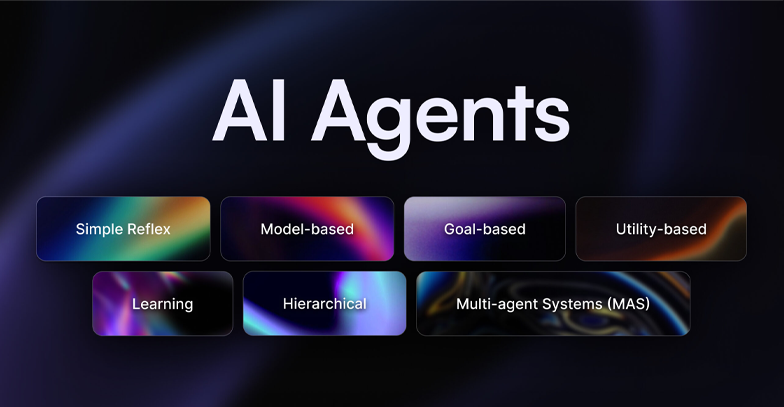
South Korean tech giant Naver is set to deploy AI agents across its entire ecosystem of services by 2026, marking a major step in its transition toward an “agentic AI” model that can proactively perform tasks for users. The company plans to integrate these intelligent agents into key offerings such as search, shopping, maps, and reservations, enabling a more seamless and automated user experience.
At the core of this strategy is “Agent N,” Naver’s personalized AI system designed to understand user intent, connect multiple services, and execute actions without requiring step-by-step instructions. Instead of traditional search-based interactions, users will be able to rely on conversational inputs, with the AI handling tasks such as finding information, making bookings, or recommending products.
As part of the rollout, Naver has already introduced a shopping-focused AI agent in beta through its Naver Plus Store platform. The company plans to expand this feature across all shopping categories within the year, allowing users to receive tailored product recommendations, reviews, and purchase assistance through AI-driven interactions.
The broader vision involves embedding AI deeply into Naver’s services so that it not only responds to queries but actively anticipates user needs and performs tasks independently. This shift is expected to enhance user engagement while also creating new monetization opportunities, particularly in e-commerce and digital advertising.
To support this large-scale AI transformation, Naver is also investing heavily in infrastructure, including GPUs and data capabilities, ensuring that its systems can handle complex, real-time agent operations at scale.
With competition intensifying in the global AI space, Naver’s move highlights a broader industry trend toward agent-based ecosystems, where AI evolves from a passive tool into an active digital assistant capable of managing end-to-end user tasks across platforms.
- Advertisement -