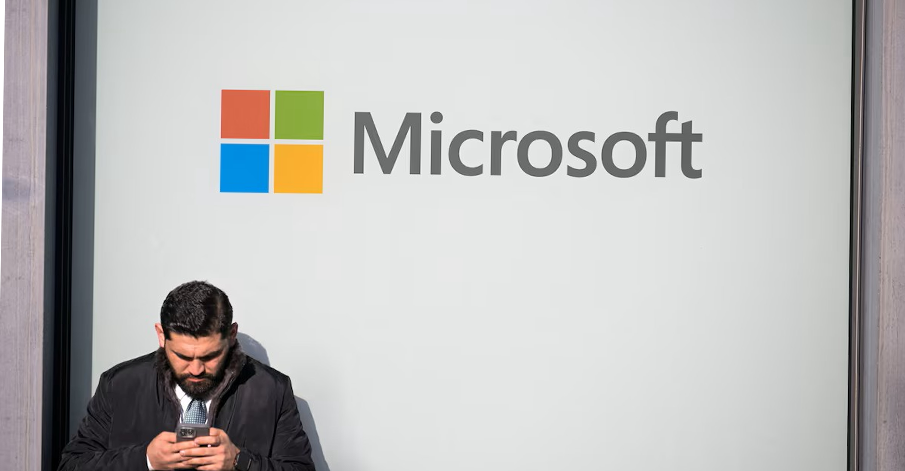
In the wake of a major cyberattack on Stryker Corp, U.S. authorities have urged companies to strengthen the security of widely used Microsoft software tools. The advisory, highlights growing concerns over vulnerabilities in endpoint management systems and signals increased vigilance across both public and private sectors.
The warning came from the Cybersecurity and Infrastructure Security Agency, which said it had identified malicious cyber activity targeting endpoint management platforms used by organizations across the United States. The agency specifically called on companies to reinforce configurations and adopt best practices to secure Microsoft Intune, a platform that manages user access, devices, and applications within corporate networks.
The advisory follows a March 11 cyberattack that disrupted Stryker’s computer systems on a global scale. The incident significantly impacted the company’s ability to process orders, manufacture products, and ship them to customers, forcing operational slowdowns across its network. The company confirmed that the disruption was linked to its Microsoft-based environment, underscoring how critical such tools are to modern enterprise operations.
An Iran-linked hacking group known as Handala claimed responsibility for the attack, stating that it was carried out in retaliation for geopolitical events in the Middle East. While the broader geopolitical claims have not been independently verified, the incident has intensified concerns over the increasing intersection of cyber threats and global political tensions.
Despite the scale of disruption, Stryker stated that the cyberattack has been contained and that no patient-related services or connected medical devices were affected. However, the company has not disclosed the financial impact of the breach, and recovery efforts are still ongoing as systems are gradually restored.
Separately, reports indicated that the cyberattack may have had downstream effects on healthcare delivery, with some surgeries being delayed due to disruptions in inventory and supply systems. The incident highlights how cyberattacks on corporate infrastructure can have real-world consequences beyond the immediate organization, particularly in critical sectors such as healthcare.
In response to the evolving threat landscape, CISA said it is coordinating with other federal agencies, including the Federal Bureau of Investigation, to assess risks, identify additional threats, and develop mitigation strategies. The collaborative effort reflects the seriousness of the situation and the need for a unified national response to cyber incidents affecting critical infrastructure.
The incident has also prompted broader industry reflection on the security of endpoint management systems, which are widely used to control access across employee devices, including laptops and mobile phones. Experts warn that if compromised, such systems can provide attackers with extensive control over corporate networks, making them a high-value target in sophisticated cyber campaigns.
As companies increasingly rely on cloud-based tools and interconnected systems, the Stryker attack serves as a stark reminder of the importance of proactive cybersecurity measures. Authorities have urged organizations to implement stronger authentication methods, regularly update software configurations, and closely monitor network activity to prevent similar breaches in the future.
The U.S. government’s advisory is expected to push companies across industries to reassess their cybersecurity frameworks, particularly those relying heavily on Microsoft infrastructure. With cyber threats becoming more complex and frequent, the emphasis is shifting toward resilience and preparedness as essential components of business continuity.