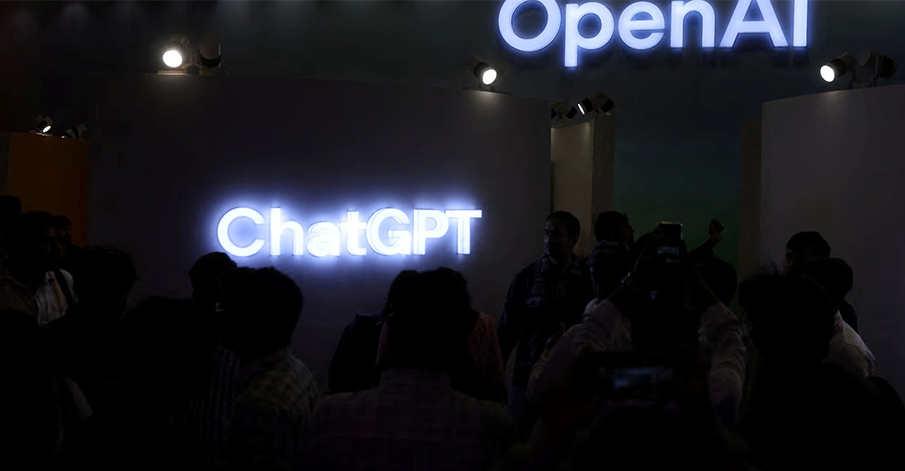
OpenAI is preparing to launch a new desktop “superapp” that will combine its key products into a single unified platform, marking a major shift in its product strategy. The move, confirmed on March , 2026, is aimed at simplifying the user experience by integrating tools such as ChatGPT, its Codex coding platform, and an AI-powered browser into one application.
The planned superapp reflects OpenAI’s effort to reduce fragmentation across its ecosystem. Company executives acknowledged that maintaining multiple standalone products had slowed development and made it harder to maintain quality standards. By consolidating these tools, the company aims to streamline workflows, improve efficiency, and deliver a more seamless experience for users.
The unified platform is expected to cater strongly to developers, enterprises, and advanced users by combining conversational AI, coding assistance, and browsing capabilities in one place. The integration could enable more “agentic” AI functionality, where systems can perform complex tasks such as writing code, analysing data, and executing workflows with minimal human input.
OpenAI President Greg Brockman will temporarily oversee the product overhaul and related organizational changes, while Chief of Applications Fidji Simo will lead the commercial and sales strategy for the new platform. The leadership restructuring highlights the importance of the initiative as the company prepares to roll out the product.
The decision also comes amid intensifying competition in the artificial intelligence space, particularly from rivals like Anthropic. By consolidating its offerings, OpenAI aims to better compete in enterprise AI and developer tools, where integrated solutions are becoming increasingly valuable.
Earlier in the year, OpenAI had launched a standalone desktop version of its Codex tool to strengthen its presence in AI-powered coding. The new superapp initiative builds on that momentum, signalling a shift from experimenting with multiple products to focusing on a more cohesive and scalable ecosystem.
Importantly, the changes are expected to primarily impact desktop offerings, while the mobile version of ChatGPT is likely to remain unchanged. This suggests that OpenAI is prioritizing professional and productivity-focused use cases on desktop environments, where users often require deeper integration across tools.
The development highlights a broader trend in the tech industry toward “superapps,” where multiple services are bundled into a single interface to improve usability and retention. For OpenAI, the success of this strategy will depend on how effectively it can integrate its tools while maintaining performance, reliability, and user trust.