
NASA has revealed an ambitious long-term roadmap focused on building a sustained human presence on the Moon, outlining a series of upcoming missions, lunar technologies, and infrastructure plans designed to support future exploration. The strategy highlights the agency’s broader vision of transforming the Moon into a long-duration operational base for scientific research, resource utilization, and future deep-space missions.
The roadmap places strong emphasis on the Moon’s South Pole region, an area considered scientifically significant because of its permanently shadowed craters and the possibility of water ice deposits. NASA plans to conduct multiple robotic and cargo missions to study the terrain, environmental conditions, and available resources before expanding human activities in the region.
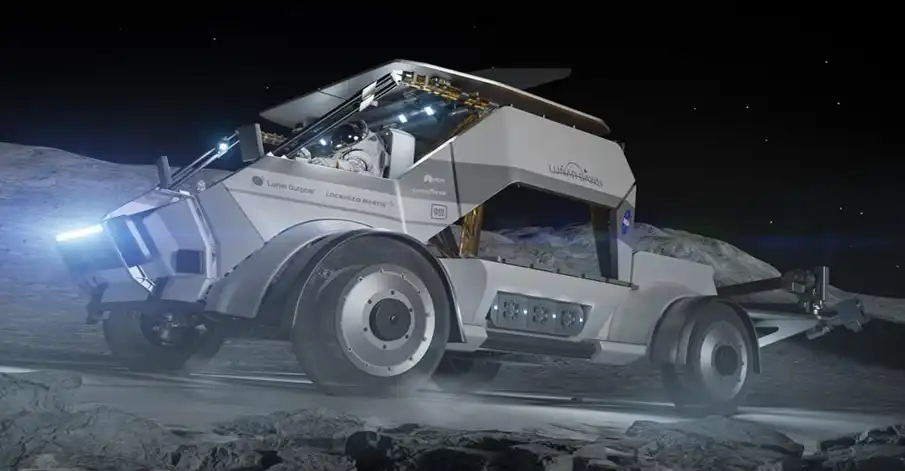
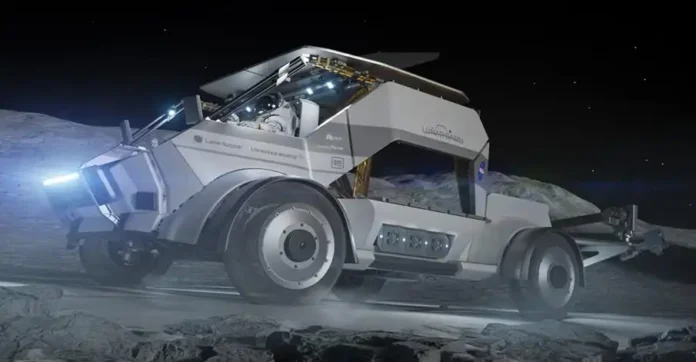
As part of the initiative, NASA is advancing work on next-generation lunar rovers capable of transporting astronauts and equipment across challenging lunar landscapes. The agency has already moved ahead with rover-related contracts aimed at developing vehicles that can withstand extreme temperatures, rough terrain, and long-duration missions on the lunar surface. These mobility systems are expected to play a major role in future exploration campaigns and support daily operations around planned lunar habitats.
The roadmap also includes the development of cargo landers and robotic delivery systems designed to transport scientific instruments, supplies, and infrastructure components to the Moon. These landers are intended to support both short-term missions and the gradual establishment of a more permanent lunar ecosystem. NASA’s broader approach focuses on creating an interconnected system of transportation, communication, and exploration technologies that can operate reliably in the harsh lunar environment.
In addition to crewed missions, NASA plans to expand robotic exploration efforts to gather detailed scientific data and test technologies required for long-term habitation. The agency views these missions as critical preparation for future astronaut operations and eventual Mars exploration.
The strategy reflects NASA’s continued push toward sustainable lunar exploration, moving beyond short-term visits toward a model focused on continuous operations, scientific advancement, and international collaboration. By combining advanced mobility systems, cargo infrastructure, and South Pole exploration, the agency aims to establish the foundation for the next era of human activity beyond Earth.