GCHQ has issued a fresh warning about the growing complexity of global security threats, with its chief stating that Britain is entering a “moment of consequence” as geopolitical tensions, cyber risks, and rapidly evolving technologies intensify worldwide.
According to prepared remarks from Anne Keast-Butler, Director of GCHQ, the current global environment is becoming increasingly unstable due to aggressive actions by hostile actors and mounting competition over technological dominance. She is expected to caution that the United Kingdom and its allies are facing a narrowing window to maintain strategic and technological advantages in an era defined by uncertainty and accelerating digital transformation.
Keast-Butler is set to deliver the first annual lecture hosted by GCHQ, where she will outline the changing global threat landscape and the growing importance of cybersecurity and intelligence collaboration among allied nations.
Anne Keast-Butler is expected to describe the present environment as a “new era of radical uncertainty, contested geopolitics and rapidly changing technology.” She will also warn that “The risk of miscalculation is as high as I’ve ever seen it,” highlighting increasing concerns surrounding international tensions, cyber warfare, and strategic competition between major global powers.
The warning comes as British intelligence agencies continue raising concerns over cyber threats linked to hostile states. In recent years, UK security officials have repeatedly identified growing cybersecurity risks associated with state-backed hacking groups, digital espionage campaigns, and attacks targeting critical infrastructure.
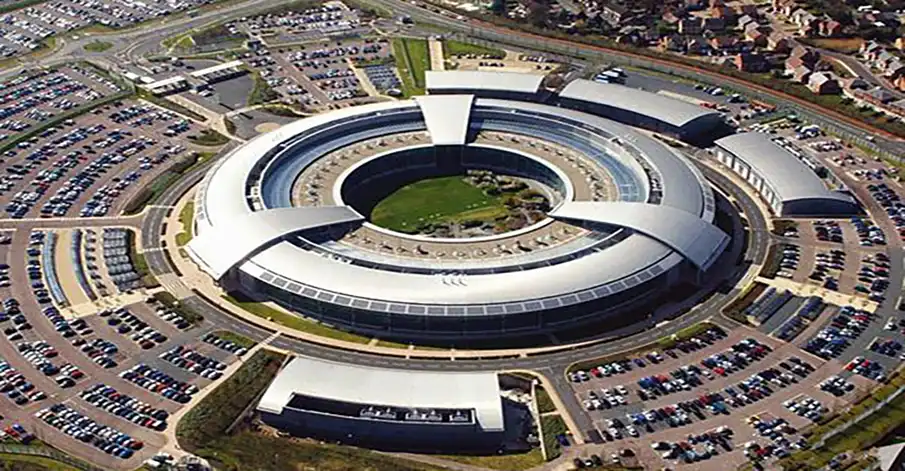
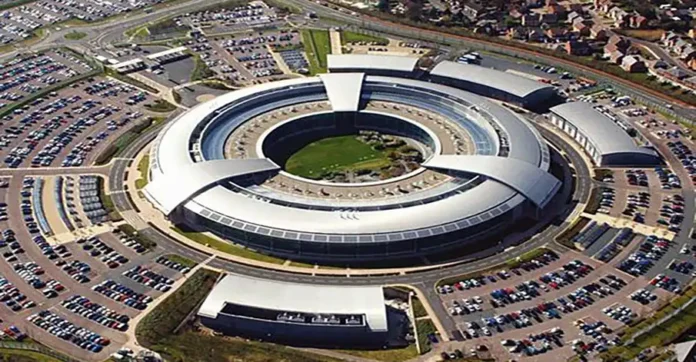
GCHQ, one of Britain’s three primary intelligence agencies, plays a central role in communications intelligence, cybersecurity operations, and national digital defense. The agency works closely with allied intelligence networks to monitor cyber threats and strengthen national security preparedness against emerging digital risks.
Recent warnings from Britain’s National Cyber Security Centre, which operates under GCHQ, have also pointed to a likely increase in cyberattacks connected to hostile governments and sophisticated threat actors. Officials believe the combination of geopolitical instability and technological competition is creating a more volatile global security environment.
The remarks further reflect growing international concern over how artificial intelligence, advanced computing, and digital infrastructure are reshaping modern intelligence and defense strategies. Governments worldwide are increasingly prioritizing cybersecurity investments, digital resilience, and strategic technology partnerships to address evolving national security challenges.
As geopolitical tensions continue rising, Britain’s intelligence leadership is signaling that the intersection of technology, cybersecurity, and global power competition will remain central to future security planning and international cooperation.