OpenAI has highlighted India’s growing contribution to the evolution of multilingual AI image generation through its latest model, ChatGPT Images 2.0. The development was discussed during an interview with members of the San Francisco-based team responsible for building the upgraded image generation system, which is being positioned as a significant advancement over previous versions.
According to the company, the new model demonstrates improved capabilities in generating visuals across multiple Indian languages, including Hindi and Bengali, while also creating more realistic and culturally detailed imagery. The system is designed to better understand regional language prompts and generate visuals that reflect local environments, styles, and social contexts with greater accuracy.
The discussion around the platform gained attention after Sam Altman stated earlier this week that users in India have generated more than one billion visuals using Images 2.0 since the model’s launch in April 2026. The milestone highlights India’s rapidly expanding engagement with AI-powered creative tools and reflects increasing adoption of generative AI technologies across the country.
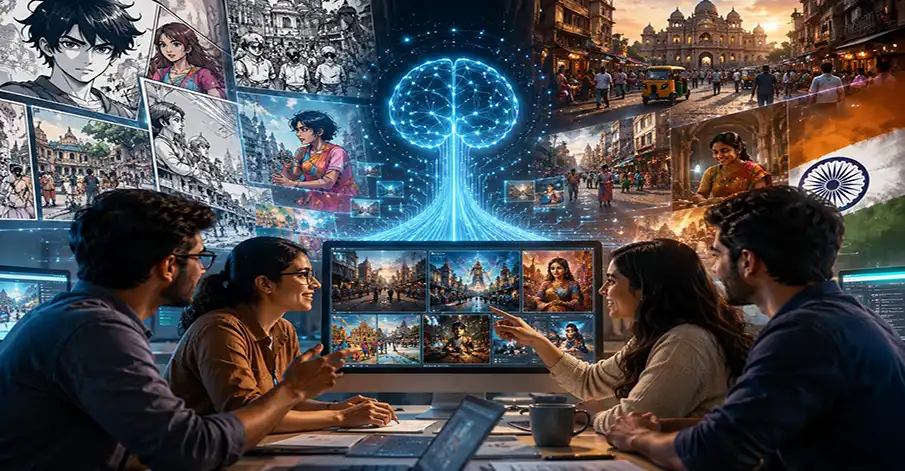
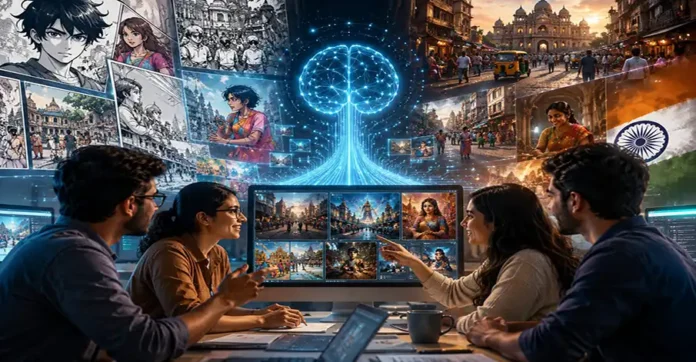
OpenAI noted that the upgraded model is capable of generating a wide range of culturally adaptive content, including Manga-style visual panels in Hindi as well as realistic depictions of busy Indian streets and urban environments. The improvements are part of broader efforts to make AI image generation systems more inclusive and responsive to multilingual and multicultural inputs from users around the world.
The company first introduced its “Images for ChatGPT” capabilities in 2025, and the latest version represents a substantial expansion in both visual quality and linguistic adaptability. Researchers and engineers involved in the project indicated that user interactions from countries like India have played an important role in helping improve the system’s ability to process diverse prompts and regional visual contexts.
India has emerged as one of the fastest-growing markets for generative AI adoption, with increasing usage across content creation, education, entertainment, and digital communication. The popularity of multilingual image generation tools has also accelerated demand for AI systems capable of understanding local languages and culturally relevant visual references.
The interview further emphasized how user engagement from India is helping shape the future direction of AI-generated creative content. As AI image generation technology continues evolving, companies are increasingly focusing on building systems that can support broader linguistic diversity and region-specific creativity at scale.
The development reflects the growing influence of Indian users within the global AI ecosystem and highlights the expanding role of multilingual capabilities in next-generation artificial intelligence platforms