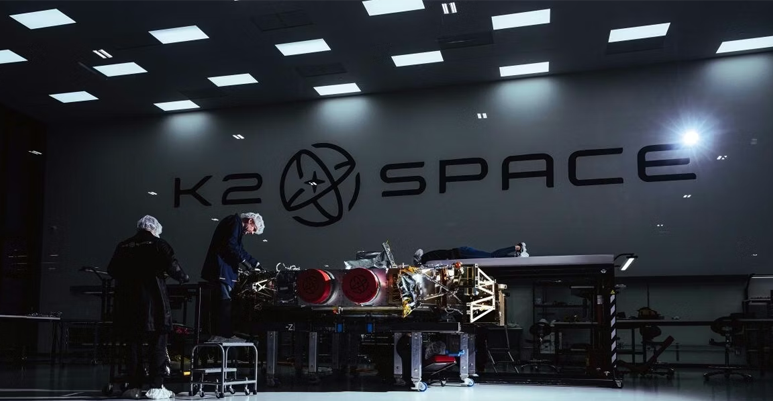
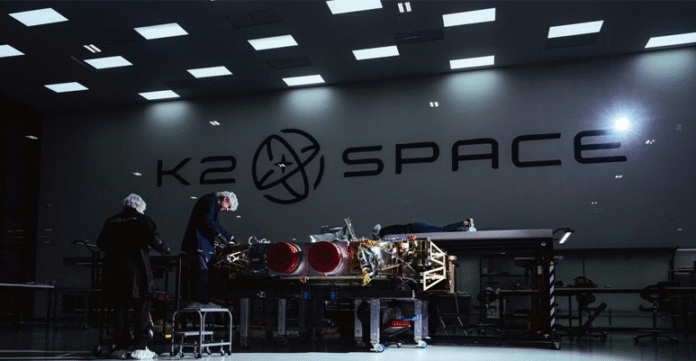
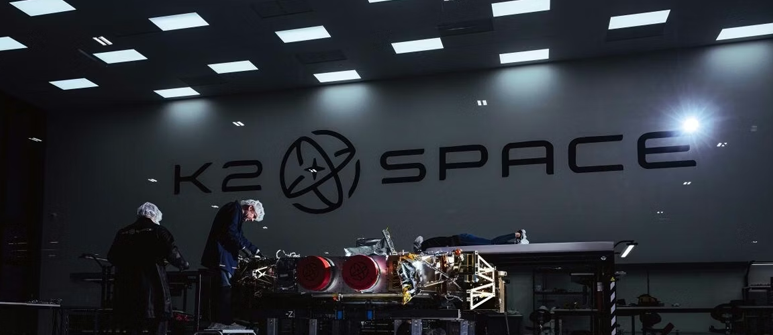
Space startup K2 Space is preparing to launch its first high-powered satellite, Gravitas, marking a major step toward building data centers in orbit. The satellite is scheduled to launch aboard a SpaceX Falcon 9 rocket in the coming weeks and is designed to test technologies required for large-scale space-based computing.
Gravitas stands out for its scale and power capabilities. Weighing around two metric tons and featuring solar panels that extend up to 40 meters, the satellite can generate approximately 20 kilowatts of electricity—far higher than most conventional satellites, which typically produce only a few kilowatts. This high power output is critical for supporting advanced onboard computing, sensors, and communication systems.
The mission is intended as a proof-of-concept for “orbital data centers,” a concept where computing infrastructure is placed in space to process data closer to its source. If successful, this could enable new applications such as real-time satellite data processing, AI-driven space analytics, and faster, more secure communications networks.
Gravitas will carry 12 payload modules from multiple customers, including government agencies, and will also test a powerful electric propulsion system designed to move the satellite into higher orbits. The mission will evaluate whether the spacecraft can successfully deploy, generate power, operate payloads, and maneuver in orbit—key milestones for future commercial deployments.
K2 Space, founded by former SpaceX engineers, has raised significant funding and is positioning itself to lead the next generation of high-power satellites. The company plans to launch multiple satellites over the next two years, gradually transitioning from demonstration missions to full-scale commercial operations.
The initiative reflects a broader shift in the space industry, where companies are exploring new use cases beyond traditional communications and Earth observation. As launch costs decline and demand for computing power rises, space-based infrastructure—especially for data processing and AI—could emerge as a new frontier in the global technology ecosystem.