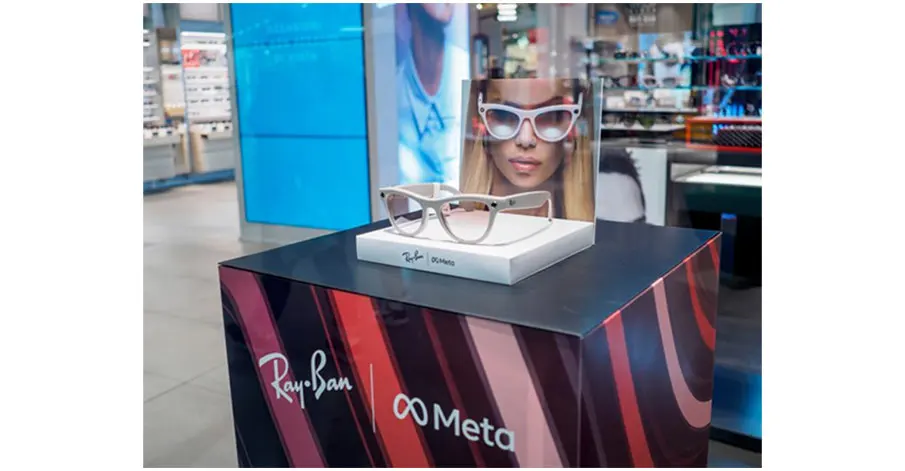
Meta has postponed the launch of its Ray-Ban smart glasses in the European Union, citing a combination of limited supply and regulatory challenges. The development, reported in March 2026, reflects the growing complexity of expanding AI-powered consumer hardware into highly regulated markets.
The delay is largely driven by supply constraints, as Meta continues to struggle to meet strong demand in existing markets, particularly the United States. The company has prioritized fulfilling orders where the product is already available, leading to a slowdown in its international expansion plans.
In addition to supply issues, regulatory requirements in the European Union are playing a significant role in the delay. Strict rules related to batteries, artificial intelligence, and data privacy have made it more difficult for Meta to roll out the product in the region. These regulations often require additional compliance checks and modifications before consumer devices can be launched.
The Ray-Ban smart glasses, developed in partnership with Essilor Luxottica, are part of Meta’s broader push into wearable AI technology. The device integrates features such as cameras, audio, and AI-powered assistance, positioning it as a next-generation consumer gadget that blends digital capabilities with everyday eyewear.
The delay also highlights broader challenges faced by tech companies operating in Europe, where regulations around artificial intelligence and user data are among the strictest globally. These rules are designed to protect user privacy and safety but can slow down the introduction of new technologies compared to other markets.
Overall, the postponement underscores the tension between rapid innovation in AI-driven devices and the need to comply with evolving regulatory frameworks. As Meta continues to refine its strategy, the EU launch timeline for its smart glasses remains uncertain, reflecting both market demand pressures and regulatory complexities.