


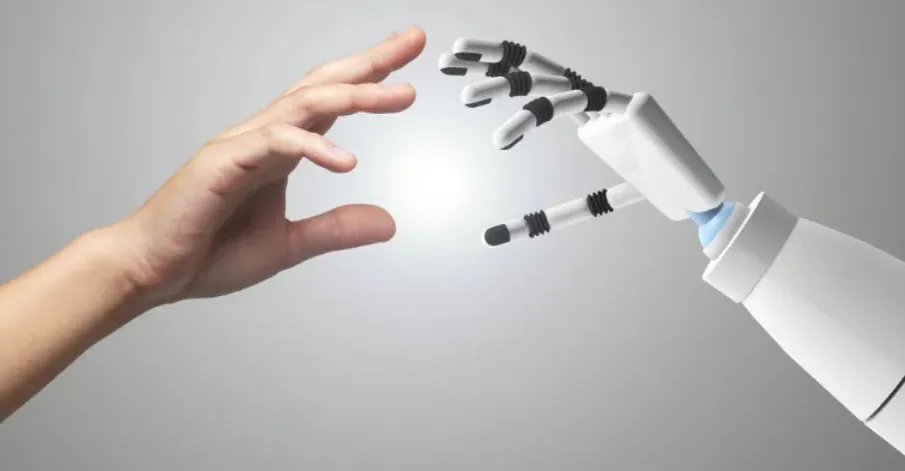
China’s robotics industry is shifting its focus from building humanoid robots capable of running, dancing and performing backflips to developing the artificial intelligence that could help them carry out practical tasks in workplaces.
The shift is driving investment in embodied AI, a field that combines AI software with physical machines, allowing robots to understand their surroundings, learn unfamiliar tasks and adapt to changing environments rather than follow only pre-programmed instructions.
According to Reuters, Chinese embodied-AI companies attracted 93.5 billion yuan, or about $13 billion, across 322 deals in the first half of 2026. The investment was five times the amount recorded during the same period a year earlier, based on data from research firm ITjuzi.
The funding is increasingly reaching specialist developers focused on robot intelligence, alongside companies that manufacture the machines themselves.
Startups including X Square, Galaxea and Spirit AI are competing to develop the software needed to make robots more capable and adaptable. Chinese companies are seeking to build on the country’s manufacturing base and access to industrial environments, which can provide opportunities to collect data and train robotic systems.
Training approaches include demonstrations by humans, wearable sensors and simulations. These methods help robots learn physical tasks, although challenges remain around the quality of training data and the limits of simulated environments.
Robots are already being tested in settings such as factories and pharmacies. However, performing reliably across unfamiliar workplaces remains a major challenge.
Chinese developers also face competition from US companies, which retain advantages in some areas of AI research and computing resources. US restrictions on chip exports, funding constraints and high company valuations are additional risks for the sector.
The industry’s next phase will depend on whether developers can turn impressive demonstrations into dependable systems that perform useful work in real-world conditions. While a major breakthrough in robot intelligence remains a possibility, commercially reliable deployment across a broad range of tasks could still take years.



