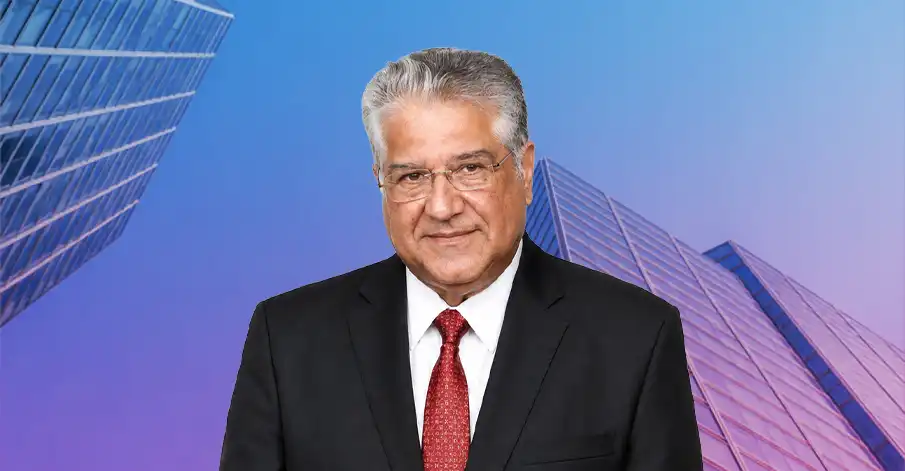

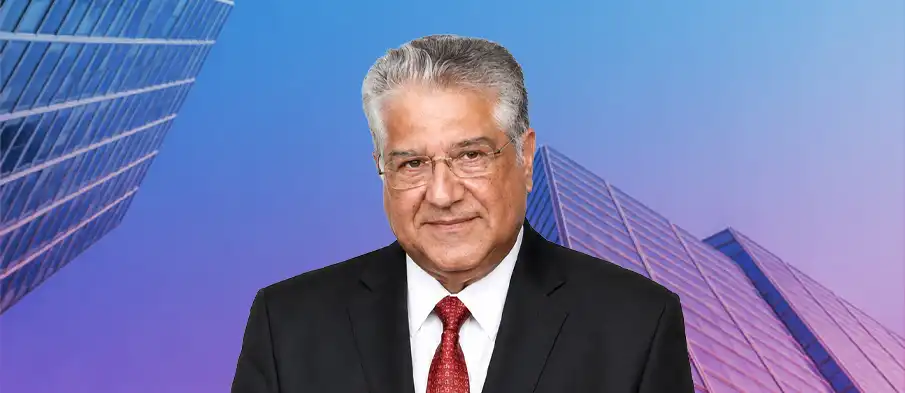
EPIC Foundation has appointed HCL co-founder Arjun Malhotra as chairperson, with Ajai Chowdhry moving into the role of founder. The leadership change places Malhotra at the head of a non-profit organisation focused on strengthening India’s electronics hardware product design, deep-tech innovation, domestic manufacturing and intellectual property creation.
EPIC Foundation was co-founded by Malhotra and Chowdhry to support India’s ambition to become a global leader in electronics hardware product design and manufacturing. The organisation works across indigenous innovation, market access, technology sovereignty, startup enablement and collaboration among industry, government and academia. Its agenda aligns with a broader national push to move beyond assembly-led electronics growth toward stronger domestic product design and IP ownership.
Under Malhotra’s leadership, the foundation plans to deepen its role in accelerating globally competitive indigenous technologies and products. The organisation has said the continued collaboration between Malhotra and Chowdhry will focus on supporting domestic manufacturing, IP creation, Indian startups, market access and a more connected innovation ecosystem. Chowdhry said Malhotra’s experience in building enterprises, scaling Indian technology globally and mentoring founders would help shape the foundation’s work. Malhotra said his focus would intensify on helping build institutions, products and policy conditions that allow Indian engineers and entrepreneurs to solve problems for domestic and global markets.
The appointment is a CXO-relevant development because EPIC Foundation sits in a policy-adjacent and ecosystem-building position rather than operating as a conventional company. Leadership at such institutions can influence how startups, electronics manufacturers, policymakers, academic institutions and enterprise buyers coordinate around hardware innovation. India’s electronics and deep-tech priorities increasingly require such coordination because product design, component sourcing, certification, manufacturing, procurement and market access are spread across different institutional actors.
The move comes as India is trying to develop stronger domestic capabilities in electronics, semiconductors, embedded systems, telecom equipment and strategic hardware. While public incentives and state-level manufacturing policies can attract investment, the long-term objective depends on building design talent, domestic IP, product companies and procurement pathways that allow Indian hardware ventures to scale.
Malhotra’s appointment gives EPIC Foundation a chairperson with direct experience in building a globally recognised Indian technology enterprise. The organisation’s next phase will likely be judged by its ability to convert ecosystem convening into measurable outcomes: stronger startup pipelines, deeper industry-academia collaboration, more market-ready hardware products and clearer policy support for indigenous technology creation.