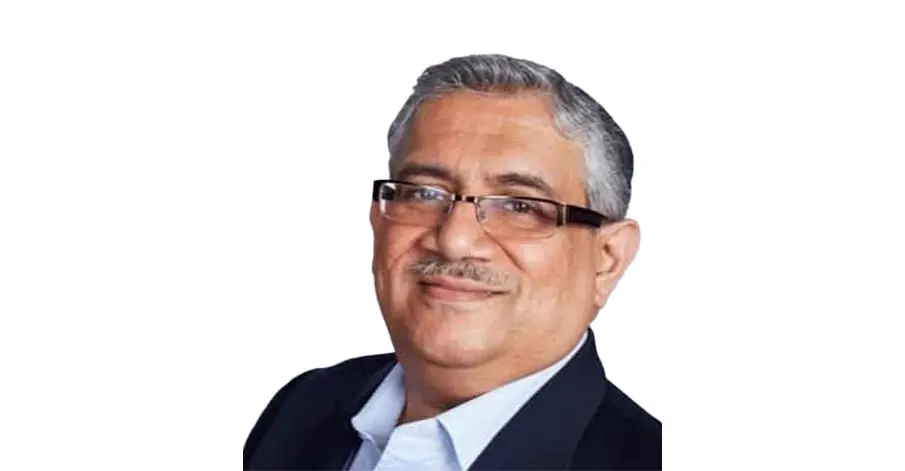

India has the potential to emerge as the world’s leading hub for artificial intelligence talent if the country significantly expands AI literacy over the next few years, according to IBM India & South Asia Managing Director Sandip Patel. Speaking during the launch of a joint IBM-IndiaAI report, Patel stated that India could become the global “AI skill capital” by 2030 if AI literacy levels in the workforce double during this period.
Patel noted that India already possesses one of the world’s largest AI-aware workforce bases. According to the report, around 30% of India’s approximately 600 million workers are currently considered AI literate, representing nearly 200 million people. He emphasized that increasing this figure to around 60% by 2030 could position India as a dominant global supplier of AI-skilled talent.
The report, titled “From Promise to Power: How AI is Redefining India’s Economic Future,” also estimated that artificial intelligence could contribute more than $500 billion to India’s economy by the end of the decade. The study found that business leaders increasingly view AI as a major driver of economic growth, with four out of five executives believing AI investments will directly impact India’s GDP expansion.
Despite the optimism, the report highlighted several challenges slowing large-scale AI adoption across Indian enterprises. Many organizations remain stuck at the pilot-project stage due to issues related to data readiness, governance, infrastructure, and executive-level AI understanding. Patel pointed out that businesses often struggle with poor data quality and concerns around trust, responsible AI governance, and scalability.
The study also revealed that India faces a substantial AI talent gap. While approximately 30% of employees currently possess the AI literacy businesses require, this number would need to rise to nearly 57% by 2030 to meet future demand. The report estimates that India may require more than 350 million AI-skilled professionals by the end of the decade to support the country’s ambitions in artificial intelligence and digital transformation.
Government officials and industry leaders believe India is increasingly becoming an important player in the global AI ecosystem. Ministry of Electronics and Information Technology Secretary S Krishnan stated that India is no longer merely participating in global AI discussions but is actively shaping them through a human-centric and sovereign AI approach. Programs focused on AI education, digital infrastructure, and hybrid cloud ecosystems are expected to play a critical role in supporting India’s long-term AI ambitions.