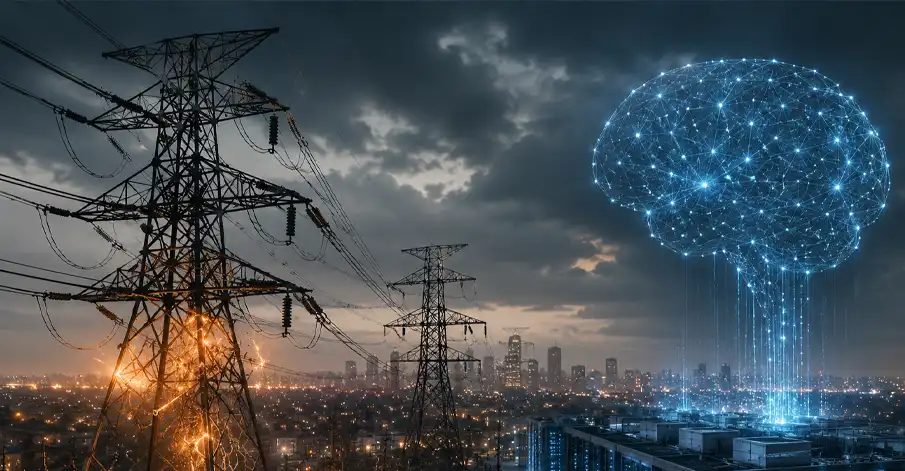
The largest power grid in the United States is coming under increasing strain as the rapid expansion of artificial intelligence drives an unprecedented surge in electricity demand. PJM Interconnection, which manages the power grid for 13 states and Washington, D.C., is struggling to keep up with the growing energy needs of AI data centers, sparking frustration among utilities, regulators, businesses, and consumers.
According to reports, major technology companies are aggressively building AI-focused data centers that require massive amounts of electricity to power high-performance chips and cooling systems. PJM officials warned that electricity demand forecasts have risen sharply because of AI infrastructure expansion, with some estimates suggesting demand could grow faster than the grid can currently support.
The issue has intensified concerns over rising electricity prices and grid reliability. Power providers and consumer groups have criticized PJM’s slow approval process for connecting new energy projects to the grid, arguing that delays in adding renewable energy and natural gas facilities are worsening supply shortages. At the same time, environmental groups oppose efforts to accelerate fossil fuel projects in response to AI-related demand growth.
Several states within the PJM region are already experiencing increasing energy costs. Analysts warn that if supply fails to keep pace with demand, households and businesses could face higher utility bills while the risk of power shortages during extreme weather events could increase. Some industrial customers have also raised concerns that AI companies are receiving preferential treatment when securing grid access and electricity contracts.
Technology firms, however, argue that AI infrastructure is essential for economic growth and innovation. Companies including Microsoft, Amazon, Google, and Meta are investing billions of dollars into new data centers and exploring alternative energy solutions such as nuclear power, renewable energy partnerships, and small modular reactors to secure long-term electricity supplies.
The growing tension highlights a broader global challenge as AI adoption accelerates. Governments, regulators, utilities, and technology companies are now under pressure to modernize aging power infrastructure, expand energy generation capacity, and balance economic growth with sustainability goals while meeting the enormous energy requirements of the AI era.