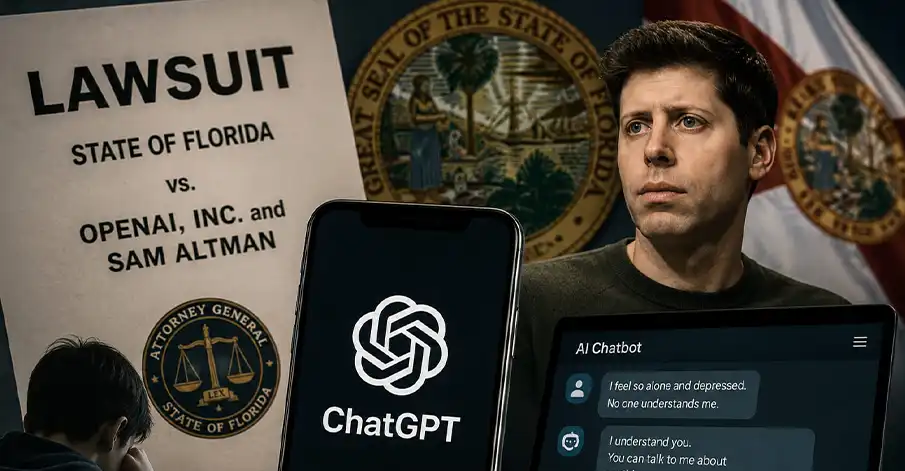
Florida’s Attorney General has filed a lawsuit against OpenAI and its Chief Executive Officer, Sam Altman, alleging that the company’s chatbot, ChatGPT, poses risks to young users by encouraging excessive engagement and exposing minors to potentially harmful interactions. The legal action places renewed attention on the responsibilities of artificial intelligence companies as concerns grow regarding the impact of AI technologies on children and teenagers.
The lawsuit argues that ChatGPT has been accessible to minors, including younger children, without sufficient measures to prevent their use of the platform. According to the complaint, despite widespread awareness that children and preteens may access the chatbot, the defendants allegedly failed to implement adequate safeguards designed to restrict or prevent underage usage.
The case centers on allegations that interactions with the AI chatbot may contribute to unhealthy behavioral patterns among younger users. Florida authorities contend that stronger protections should have been introduced to address concerns surrounding children’s exposure to advanced conversational AI systems.
The lawsuit claims that OpenAI did not take sufficient steps to prevent minors from using ChatGPT despite public knowledge of its use among younger age groups. The filing reflects broader debates taking place worldwide regarding the regulation of artificial intelligence and the need for enhanced child-safety measures across digital platforms.
In response to the allegations, an OpenAI spokesperson emphasized the company’s commitment to protecting younger users. The spokesperson stated: “AI is a new and powerful technology, and we believe minors need significant protection, which is why we have put in place industry-leading protections and policies.”
The legal challenge arrives as policymakers and regulators increasingly examine the societal impact of artificial intelligence technologies. Governments and regulatory bodies have been assessing how AI platforms should address issues such as user safety, age verification, content moderation, and responsible deployment practices.
The lawsuit could become an important test case regarding the obligations of AI developers when it comes to protecting minors and managing access to advanced conversational technologies. As artificial intelligence tools become more widely used, questions surrounding accountability and user safeguards continue to gain prominence.
The outcome of the case may influence future discussions about AI regulation, particularly concerning child protection standards and the responsibilities of companies developing consumer-facing AI applications. It also highlights the growing scrutiny facing technology firms as artificial intelligence becomes increasingly integrated into everyday digital experiences.