Scientists have made a significant breakthrough in the study of interstellar objects after the James Webb Space Telescope detected methane gas on the interstellar comet 3I/ATLAS. The discovery provides valuable new information about the comet’s composition and may help researchers better understand the environment in which it formed before entering our solar system.
The detection marks the first confirmed identification of methane on 3I/ATLAS, an object that originated outside the solar system and is currently passing through it. Interstellar comets are of particular interest to astronomers because they carry material formed around distant stars, offering a rare opportunity to study the chemical characteristics of planetary systems beyond our own.
Observations made by the James Webb Space Telescope revealed the presence of methane gas within the comet, providing researchers with important clues about its chemical makeup and formation history. Methane is considered a key molecule in planetary science because its abundance and distribution can reveal information about the temperatures and conditions present when celestial bodies were created.
The findings suggest that 3I/ATLAS possesses a composition that differs from that of most known comets originating within the solar system. By comparing the chemical signatures of interstellar and solar system objects, scientists can gain a deeper understanding of how planetary systems develop throughout the galaxy.
Researchers believe the methane detection could help identify the type of stellar environment where the comet was formed, offering a rare glimpse into processes occurring far beyond our solar neighborhood. Since interstellar visitors spend most of their existence outside the solar system, they preserve valuable information about distant regions of space that would otherwise remain inaccessible to direct study.
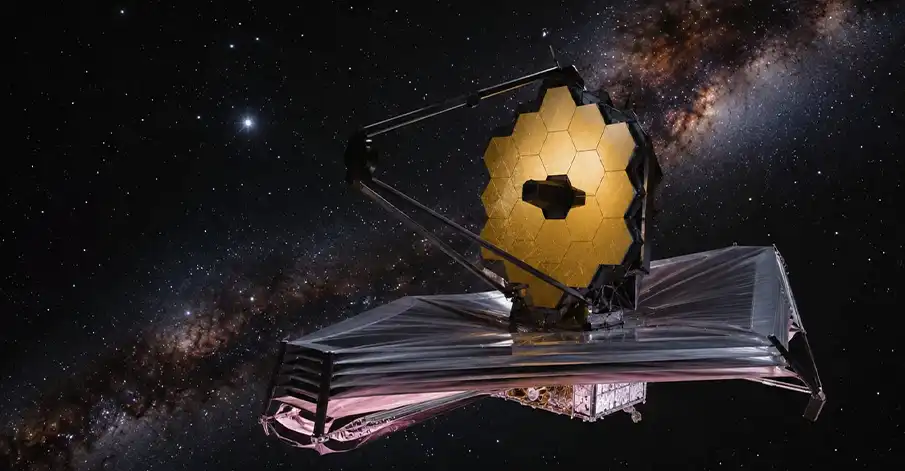
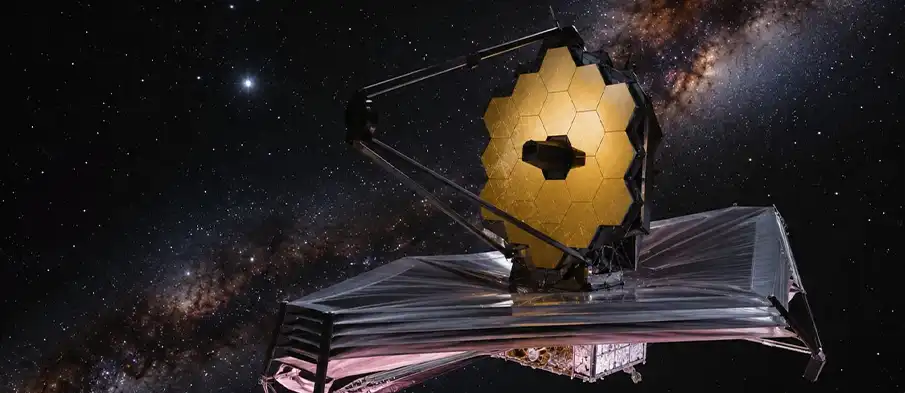
The James Webb Space Telescope, equipped with highly sensitive infrared instruments, has significantly expanded scientists’ ability to analyze the chemical composition of distant celestial objects. Its advanced observational capabilities allow researchers to detect molecular signatures that may be difficult or impossible to observe using previous generations of space telescopes.
The discovery of methane on 3I/ATLAS adds an important piece to the puzzle of understanding interstellar objects and the diversity of planetary systems across the universe. Scientists expect continued observations to reveal additional details about the comet’s structure, composition, and origins, potentially providing further evidence about the environments in which such objects are formed.
As more interstellar visitors are identified and studied, findings such as these are helping astronomers build a broader picture of how planetary materials evolve beyond the boundaries of our solar system.