TSMC remains optimistic about its long-term growth prospects, driven by sustained demand for artificial intelligence infrastructure and advanced semiconductor technologies. The company’s leadership expressed confidence that the AI-driven expansion of the technology sector will continue to support strong business momentum in the years ahead.
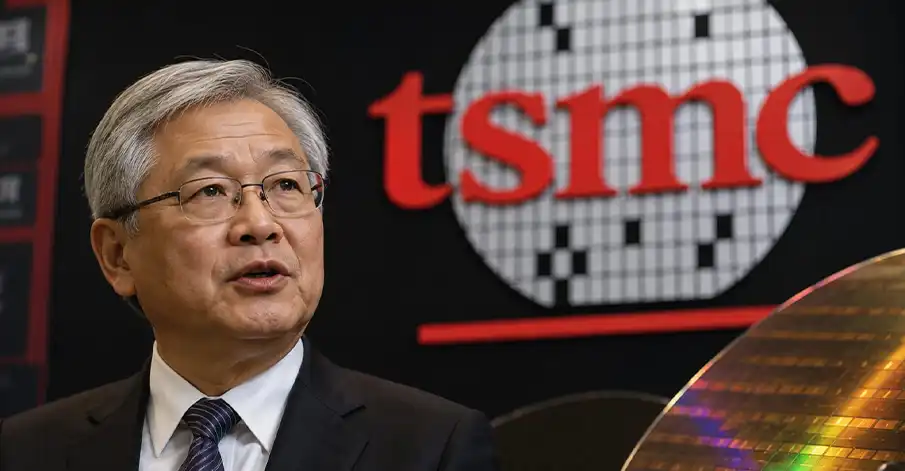
Speaking at the company’s annual shareholders’ meeting in Hsinchu, Taiwan, Chief Executive Officer C.C. Wei said customers continue to maintain a positive outlook on artificial intelligence and the growing need for computing power. The comments come as global technology companies accelerate investments in AI data centers, advanced processors, and high-performance computing systems.
TSMC expects artificial intelligence to remain a major driver of semiconductor demand, reinforcing confidence in the company’s growth trajectory over the coming years. As the world’s largest contract chip manufacturer, the company plays a critical role in supplying advanced semiconductors used in AI applications, cloud infrastructure, and next-generation computing platforms.
Wei indicated that the company is continuing to work aggressively to meet customer requirements amid strong market demand. According to the CEO, TSMC is “working very hard” to keep pace with growing demand for advanced chips as AI adoption expands across industries worldwide. The rapid growth of AI workloads has significantly increased the need for cutting-edge semiconductor manufacturing capacity, placing additional pressure on global supply chains.
At the same time, the company remains attentive to rising component and production costs. TSMC is closely monitoring cost trends that could affect manufacturing operations and profitability. Against this backdrop, Wei acknowledged an interest in increasing semiconductor pricing, reflecting broader industry concerns regarding escalating expenses associated with advanced chip production.
The CEO signaled that higher chip prices would be desirable as the company manages increasing costs while continuing to invest in advanced manufacturing technologies. The remarks suggest that pricing strategies may become an important consideration as demand for sophisticated semiconductors continues to grow.
The discussion also touched on TSMC’s international expansion efforts, particularly in the United States. While the company is investing in manufacturing facilities outside Taiwan, Wei noted that expanding domestic U.S. production to satisfy local demand remains a long-term challenge. He stated that it will take a “very long time” for U.S.-based manufacturing capacity to fully meet demand through domestic production alone.
The company’s outlook reflects continued confidence in the strength of the AI market despite ongoing supply chain and cost-related challenges. As artificial intelligence drives unprecedented demand for advanced computing infrastructure, TSMC remains positioned at the center of one of the most significant technology growth trends globally.